#107: The BEST Project: Transforming Education Through Taekwondo
In an era where sedentary lifestyles among young people are rapidly increasing, innovative solutions are urgently needed to reconnect students with physical activity, personal development, and social engagement. The BEST Project (Boosting Exercise in Schools through Taekwondo) emerges as a pioneering initiative that addresses this challenge head-on by integrating sport into education in a meaningful and transformative way.
Funded by the Erasmus+ Sport programme of the European Union, BEST represents a forward-thinking approach to physical education — one that goes beyond traditional models and reimagines how movement, learning, and values can coexist within the school environment.
A European Collaboration for Youth Well-Being
The BEST project is led by the Italian Taekwondo Federation (FITA), in collaboration with the Malta Taekwondo Association (MTA) and the European Platform for Sport Innovation (EPSI). This partnership brings together expertise in sport, education, and innovation, ensuring that the project is both scientifically grounded and practically impactful.
Through its transnational nature, involving countries such as Italy, Malta, and Belgium, BEST fosters the exchange of methodologies and best practices, with the ultimate goal of developing a replicable model for schools across Europe.
Why Taekwondo?
At the heart of the BEST project lies Taekwondo—a discipline uniquely suited to holistic development. Unlike many traditional sports, Taekwondo combines:
Physical conditioning (strength, flexibility, coordination)
Cognitive engagement (strategy, memory, decision-making)
Social and emotional growth (respect, discipline, self-control)
This multidimensional nature makes it an ideal educational tool, capable of addressing not only physical inactivity but also broader developmental needs among children.
Objectives: More Than Just Physical Activity
The BEST project aims to:
Combat sedentary lifestyles among young people
Improve cognitive and decision-making skills
Foster inclusion and social interaction
Promote core values such as respect, discipline, and equality
By embedding these goals within a structured school-based programme, BEST transforms physical activity into a comprehensive educational experience.
From Concept to Classroom
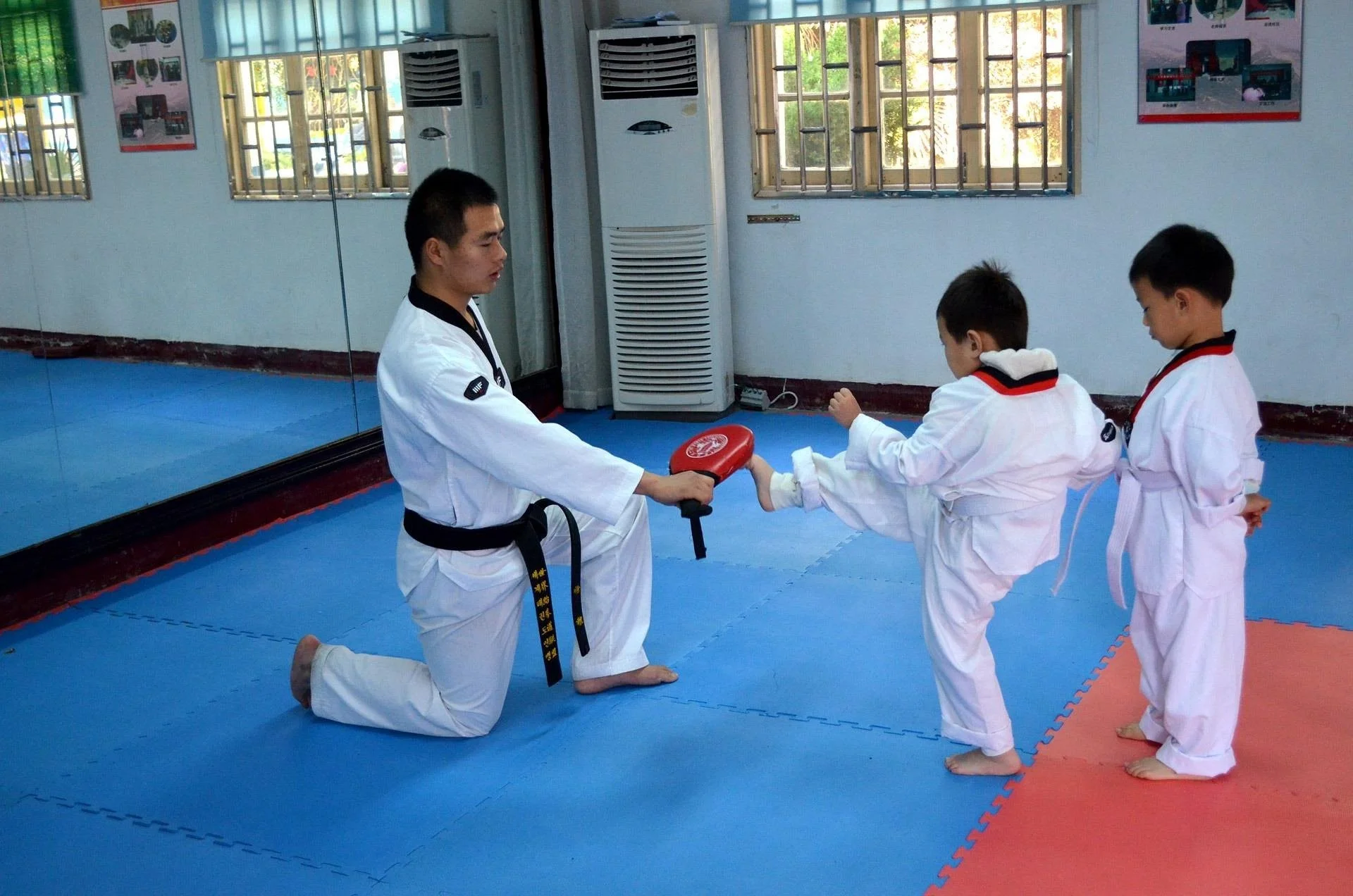
A key strength of the project lies in its practical implementation. The programme is currently being tested in pilot schools in Italy and Malta, where students participate in structured Taekwondo-based activities integrated into their daily routines.
These sessions are not limited to technical training. Instead, they follow an innovative methodology known as Game-Taekwondo, where learning occurs through play, cooperation, and engagement. This approach ensures that all students—regardless of ability or background—can participate meaningfully.
The BEST Manual
The recently launched BEST Manual serves as the cornerstone of the project, providing educators and coaches with a comprehensive framework for implementation.
It includes:
Psychomotor development guidelines for primary school children
Age-specific teaching strategies
Practical exercises and lesson structures
Methods to promote inclusion and engagement
Insights into cognitive, social, and emotional development through sport
You may download the latest BEST MANUAL by clicking here.
This manual is designed not only for Taekwondo instructors but also for school teachers, making it a versatile tool that bridges the gap between sport and education.
Inclusion at the Core
One of the defining features of BEST is its strong commitment to inclusion. The project actively works to:
Involve students with disabilities through adapted activities
Remove economic barriers to participation
Promote gender equality
Encourage intercultural understanding and respect
In doing so, BEST positions sport as a powerful vehicle for social change, ensuring that no student is left behind.
The Science Behind Movement and Learning
The BEST methodology is supported by growing scientific evidence linking physical activity to cognitive development. Movement stimulates neuroplasticity, enhances attention, and improves memory—key factors in academic success.
Through dynamic activities such as:
Coordinated movement patterns
Reaction-based exercises
Tactical decision-making in simulated combat
students develop not only their bodies but also their minds.
Beyond Sport: Building Character
Taekwondo’s educational value extends far beyond physical benefits. Through structured practice, students learn to:
Manage emotions such as frustration and excitement
Respect rules and peers
Build resilience and perseverance
Develop self-confidence
These life skills are essential in preparing young people to navigate the challenges of modern society.
A Model for the Future of Education
The long-term vision of the BEST project is ambitious yet achievable. By refining the programme through pilot testing and data analysis, the project aims to:
Expand to more schools across Europe
Influence educational policy
Provide training for teachers and instructors
Establish Taekwondo as a recognised educational tool
Ultimately, BEST has the potential to redefine how physical education is perceived—not as a secondary subject, but as a central pillar of holistic development.
Conclusion
The BEST project represents a significant step forward in the evolution of education and sport. By integrating Taekwondo into the school system, it offers a powerful response to the challenges of inactivity, disengagement, and social fragmentation among youth.
Through its innovative methodology, strong European collaboration, and practical tools like the BEST Manual, the project demonstrates that sport can be much more than physical exercise—it can be a catalyst for growth, inclusion, and lifelong learning.
As schools across Europe continue to search for effective ways to support student well-being, BEST stands out as a model worth following.